Why Proper Packaging Prevents Wasted Submission Fees
After spending hours performing a pre-grading inspection on your raw cards, nothing is more heartbreaking than having a Gem Mint candidate damaged in transit before it ever reaches a grader's desk. Shipping carriers process millions of packages daily through automated sorting conveyor belts, making proper multi-layer protection mandatory.
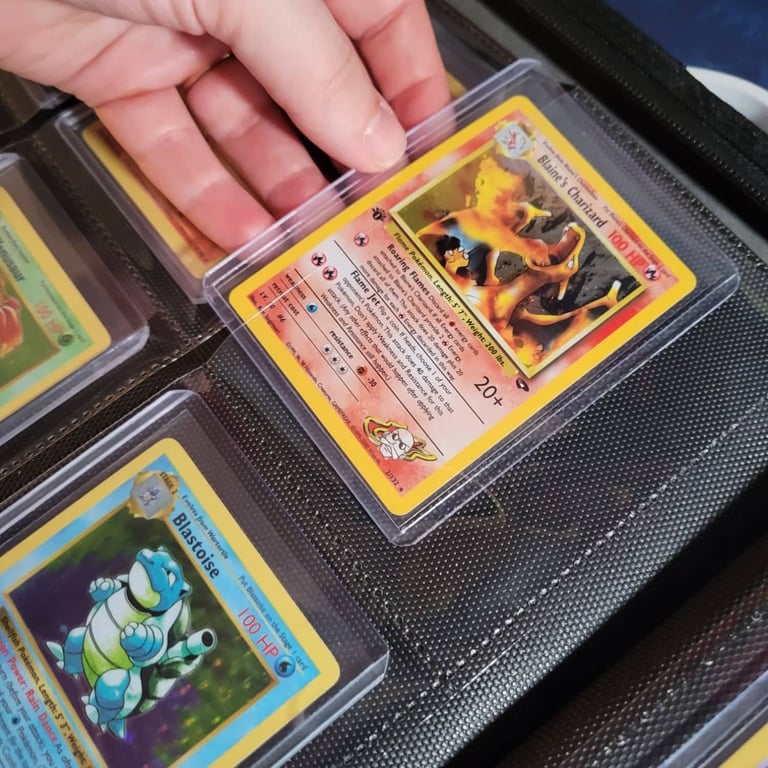
Step 1: Penny Sleeve & Semi-Rigid Card Saver 1 Loading
Grading agencies (PSA, Beckett BGS, CGC) strongly recommend using Semi-Rigid Card Holders (such as Card Saver 1) rather than rigid Top-loaders for submission packages:
- Use Standard Penny Sleeves: Insert raw cards into clear, soft penny sleeves. Never force a raw card into a holder without a sleeve.
- Pull Tabs for Easy Extraction: Attach a small sticky tab (such as a Post-It flag) to the penny sleeve before sliding it into the Card Saver. This allows graders to gently pull the card out without touching corners.
- Avoid Hard Top-Loaders for Submissions: Hard top-loaders can allow cards to slide around inside during transit, causing edge chipping against the plastic seams.
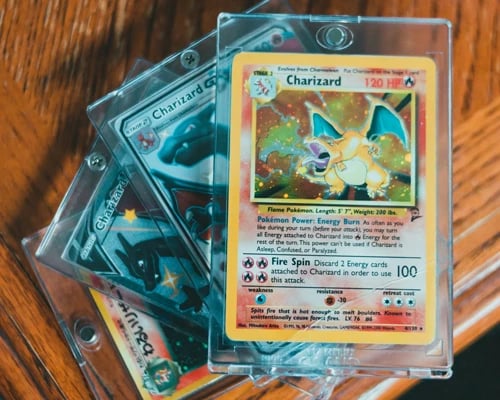
Step 2: The Cardboard Sandwich Method
Once all cards are loaded into Card Savers and arranged in submission list order:
- Stack the Card Savers neatly together between two clean pieces of corrugated cardboard.
- Ensure the cardboard pieces extend 1 inch beyond the card holders on all four sides.
- Secure the cardboard sandwich with painter's tape or rubber bands (wrapped gently without bending the cards).
Step 3: Multi-Layer Bubble Wrap & Box Packaging
Never ship valuable cards in a thin paper envelope or unpadded mailer. Always use a rigid corrugated cardboard shipping box:
- Wrap the cardboard sandwich in at least 2 layers of bubble wrap.
- Place the wrapped bundle inside a sturdy cardboard shipping box (e.g., USPS Priority Mail Small Flat Rate Box).
- Fill empty space in the box with packing peanuts or air pillows so the bundle cannot shift during transit.
Step 4: Insurance and Tracking Requirements
Before dropping your package off at USPS, FedEx, or UPS:
- Declare Full Replacement Value: Purchase signature confirmation and insurance covering the full raw market value of the submission.
- Attach Submission Forms: Place printed submission packing slips inside the box right on top of the bubble bundle.
- Save Your Tracking Number: Keep tracking documentation until your submission is checked in at the facility.
For more pre-grading inspection rules and slab company comparisons, visit our detailed Card Grading Guide.